
Is Your Home Ready for Winter? 6 Electrical Checks Every Homeowner Should Make
As the evenings draw in and temperatures start to drop, we're all spending more time indoors, switching on the heating, using extra lighting and reaching for those electric heaters.
But while getting your home ready for winter often means checking the boiler, clearing the gutters and digging out the warm blankets, there's one thing that's easy to overlook: your electrics.
As a local electrician working across Hertford, Ware and the surrounding areas of Hertfordshire, I want to share six simple checks that can help you prepare your home for the colder months and spot potential electrical problems before they become more serious.
1. Check Your Plugs and Sockets
With more appliances being used during winter, it's worth taking a few minutes to check the plugs, sockets and visible cables around your home.
Look out for:
Brown or black scorch marks around sockets.
Plugs or sockets that feel unusually hot.
Cracked socket covers or damaged cables.
Buzzing, crackling or unusual noises.
Circuit breakers that keep tripping.
These warning signs shouldn't be ignored. If you notice any of them, stop using the affected equipment where safe to do so and arrange for a qualified electrician to investigate. Never remove socket covers or attempt electrical repairs yourself.
2. Be Careful When Using Portable Electric Heaters
When the temperature drops, portable heaters can be useful for warming a room, but they need to be used carefully.
Always place heaters on a stable surface, keep them at least one metre away from curtains, furniture and other combustible materials, and never use them to dry clothes.
One important rule: never power a portable heater from an extension lead. Plug it directly into a suitable wall socket, following the manufacturer's instructions, and never leave it running unattended or while you're asleep.
If you're regularly relying on extension leads because you don't have enough conveniently positioned sockets, it may be worth discussing additional socket installations with an electrician.
3. Make Sure Your Lighting Is Ready for Darker Evenings
Good lighting becomes even more important as the days get shorter.
Think about the areas around your home that you use after dark:
Hallways, stairs and landings.
Driveways and front entrances.
Side passages and garden paths.
Garages, sheds and outdoor workspaces.
Outdoor lighting can also improve visibility when arriving home on dark evenings. If you're considering new security lights, LED upgrades or additional lighting around your property, I can help you explore suitable options.
4. Don't Overload Your Extension Leads
Christmas decorations, extra lamps, televisions, computers and heating appliances can all put additional demands on your sockets during winter.
Avoid plugging one extension lead into another, and never assume that because an adaptor has several sockets, it's safe to use them all at once.
High-powered appliances can overload extension leads and cause overheating. If you find yourself constantly relying on adaptors, having additional sockets professionally installed could be a safer and more convenient long-term solution.
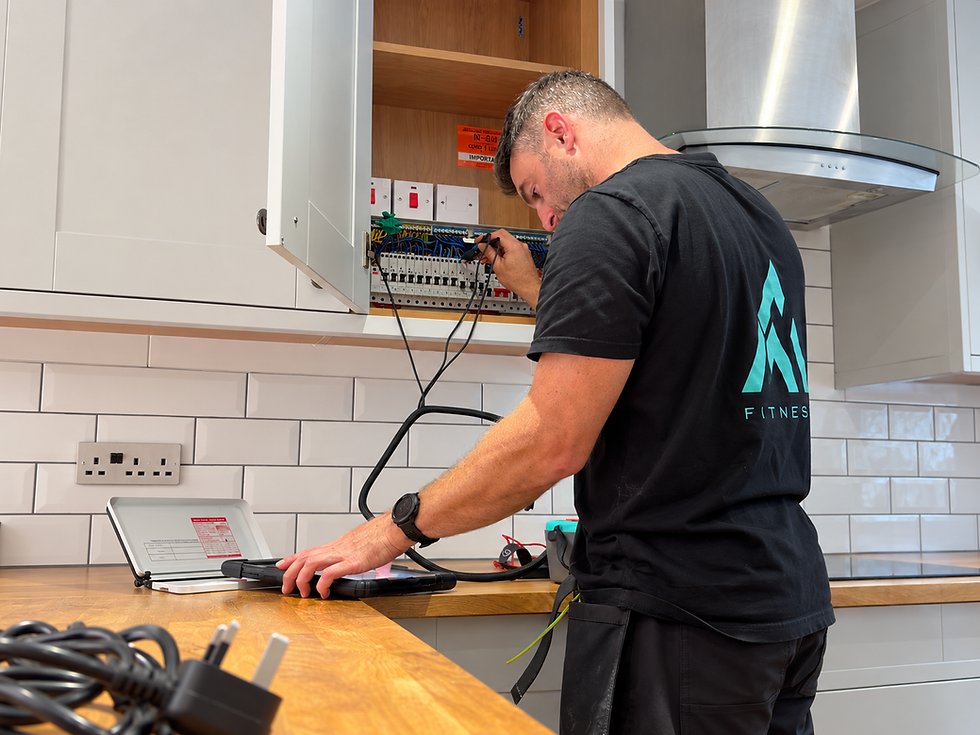
5. Is Your Fuse Board Up to the Job?
Your fuse board, also known as a consumer unit, plays an important role in protecting your home's electrical circuits.
If you live in an older property, have recently renovated your home or are planning to add new appliances, it may be worth checking whether your existing electrical installation is suitable for your needs.
Modern consumer units can incorporate important protective devices, including residual current devices (RCDs), which help reduce the risk of electric shock.
However, not every older fuse board automatically needs replacing. An electrician can assess the existing installation and advise whether any improvements are appropriate.
6. Don't Ignore Your Home's Electrical History
Do you know when your home's electrics were last inspected?
If you've recently moved into a property, live in an older house or have concerns about previous electrical work, an Electrical Installation Condition Report (EICR) can help assess the condition of the fixed electrical installation.
An inspection can identify deterioration, damage and potential safety issues that might otherwise go unnoticed.
For landlords, electrical inspection requirements also need to be kept up to date. In England, rental properties covered by the relevant regulations generally require inspection and testing at least every five years.
Even if you're a homeowner, an inspection may be worth considering where there are signs of problems or uncertainty about the installation.
A Little Preparation Goes a Long Way
Winter puts different demands on our homes, and your electrical system is no exception.
Taking a few minutes to check visible cables, use heaters safely and look out for warning signs can make a real difference. If something doesn't look or feel right, don't take chances with electricity.
At JB Electrical Herts, I provide domestic electrical services across Hertford, Ware and the surrounding Hertfordshire area, including lighting installations, socket additions, consumer unit upgrades, electrical repairs and inspections.
Need an electrician in Hertford, Ware or the surrounding area?
If you're planning electrical improvements or would like advice about an issue in your home, get in touch with JB Electrical Herts for a quote.
📞 Call Jay on 07977 817086
🌐 Visit www.jbelectricalherts.co.uk
Stay safe, stay warm and get your home ready for winter!


Comments